Get a Quote

Our ADAS calibration process realigns cameras, radar, and sensors to manufacturer specifications using OEM-approved tools, targets, and procedures. This ensures accurate safety features after windscreen replacement, collision repairs, wheel alignment, or sensor disturbance.
STEP 1
Vehicle Inspection & Diagnostic Scan
We begin with a full OEM diagnostic scan to identify ADAS faults, check system readiness, and determine which cameras, radars, or sensors require recalibration based on manufacturer specifications.
STEP 2
Static Calibration (Workshop-Based)
The vehicle is positioned in a controlled environment using OEM-approved targets. Cameras, radar, and sensors are precisely aligned and calibrated with advanced diagnostic tools for accurate measurements.
STEP 3
Dynamic Calibration (If Required)
For vehicles that require it, on-road dynamic calibration is performed so the system self-learns real driving conditions, ensuring accurate performance in actual traffic, curves, and speed variations.
STEP 4
System Verification & Documentation
All ADAS features are tested for accuracy and safety. A certified digital report is generated with before/after data, compliance verification, and official documentation for insurance, warranty, and records.
ADAS cameras and sensors are extremely sensitive. Windscreen replacement, collision repairs, wheel alignment, or suspension work, even small changes, can affect system accuracy. Calibration restores safety systems to factory standards, ensuring correct operation and driver safety.
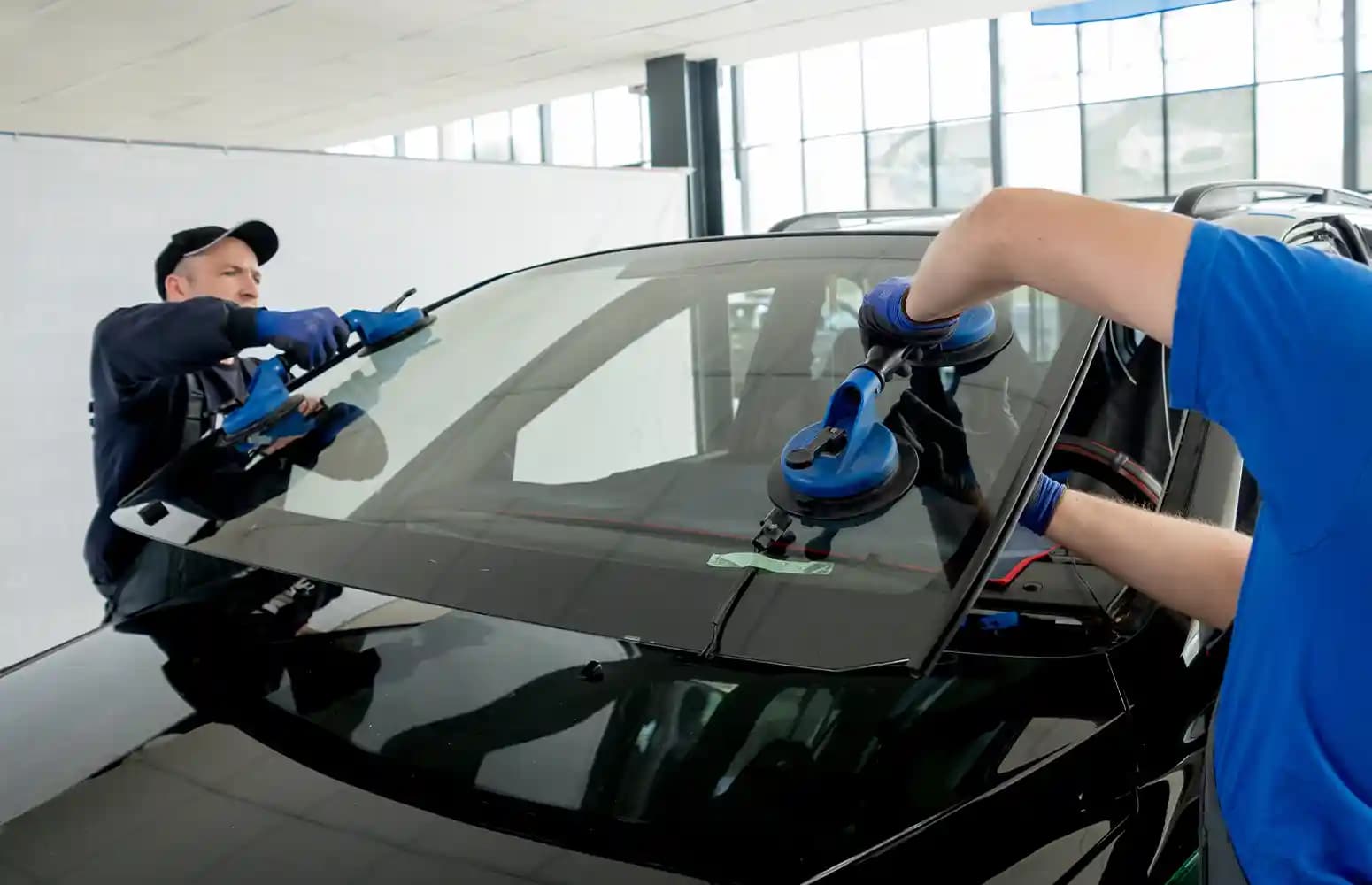
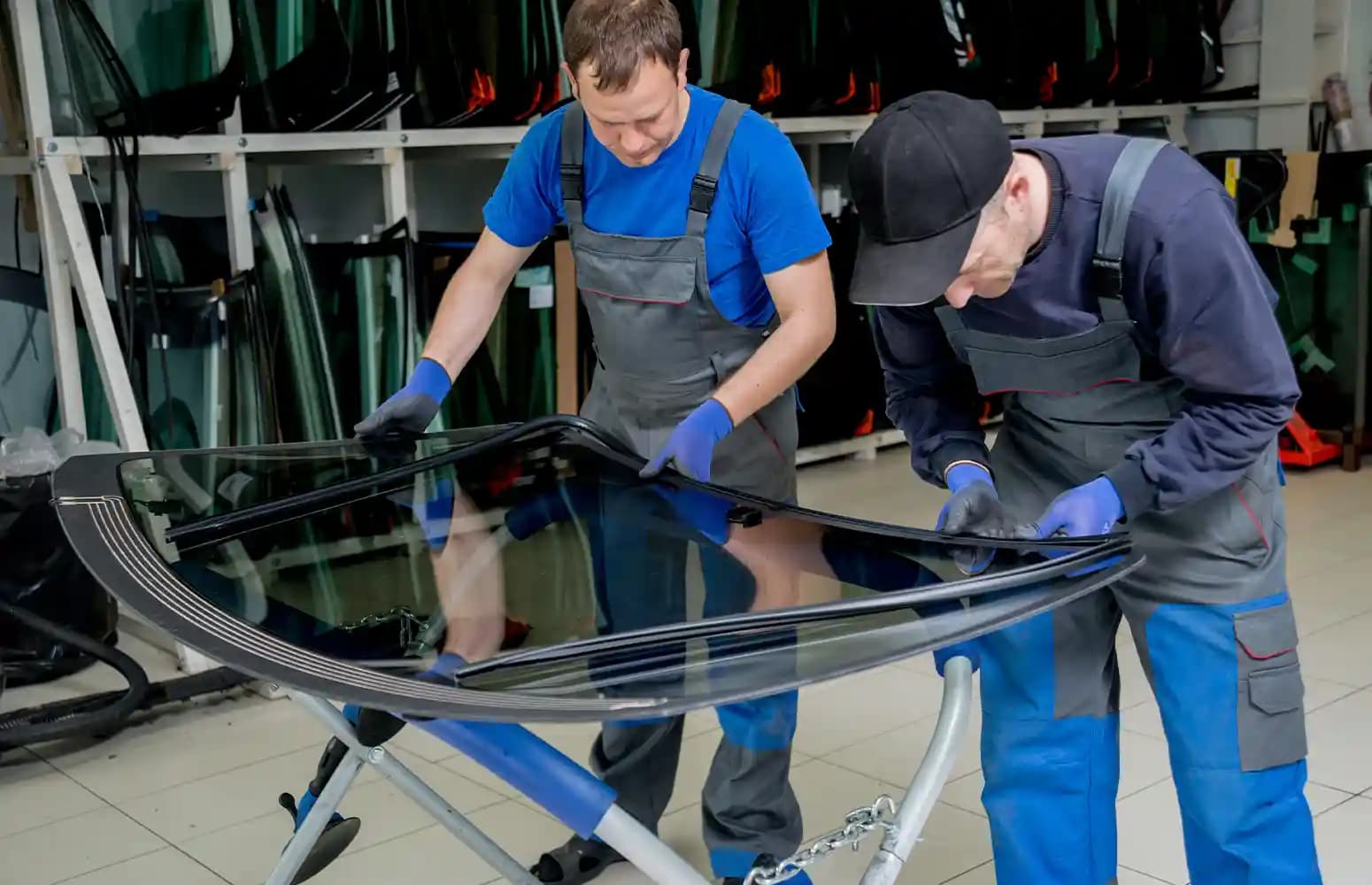
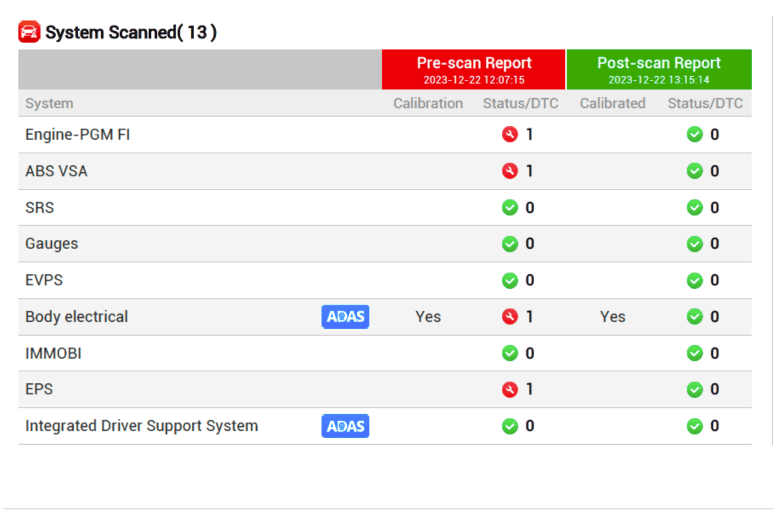
Every calibration includes a detailed digital report showing pre-scan results, calibration completion, and post-scan verification. These reports are suitable for insurers, warranties, and compliance documentation.
Don't take risks with your vehicle's safety systems. Ensure ADAS features are accurately calibrated to manufacturer standards by certified technicians using OEM-approved equipment.